
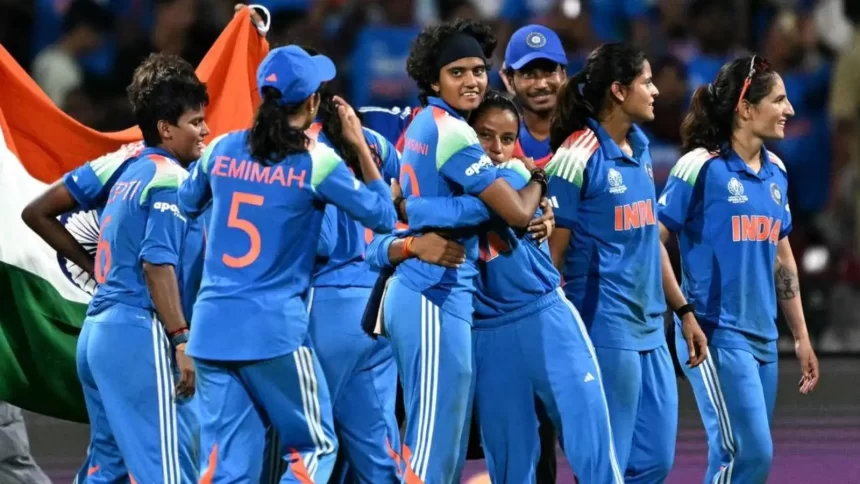
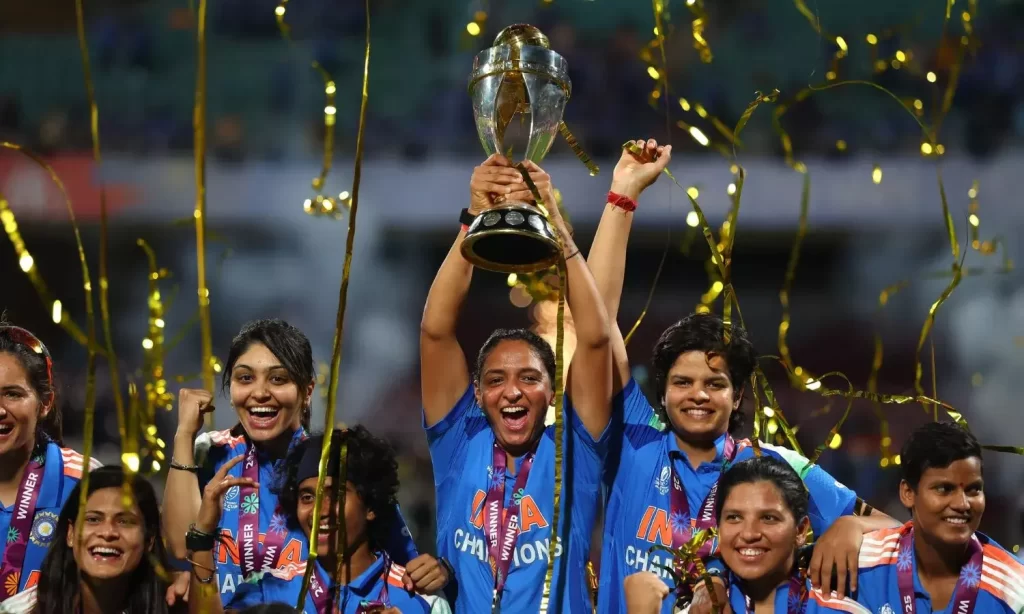
The Board of Control for Cricket in India (BCCI) has more than doubled match fees for women cricketers participating in domestic tournaments. This decision was approved by the board’s Apex Council and comes in the wake of India’s unforgettable maiden ICC Women’s ODI World Cup triumph in 2025, which sparked momentum to further invest in the women’s game.
Under the revised fee structure:
- Senior women players in domestic one-day and multi-day competitions will now earn ₹50,000 per match (playing XI), up from ₹20,000 previously, and ₹25,000 for reserves.
- In national T20 events, playing XI members receive ₹25,000 per match, while reserves earn ₹12,500.
- Younger players in under-23 and under-19 categories also see their daily match fees increase to ₹25,000 (playing XI) and ₹12,500 (reserves).
It’s a substantial jump compared with the earlier structure, where top domestic women cricketers could earn around ₹2–2.5 lakh over a full season; under the new rates, leading players could make ₹12–14 lakh across formats if they play regularly.
Match Officials Also Benefit
The new structure doesn’t just help players — domestic umpires and match referees will also see higher pay.
- For league matches, officials will now earn around ₹40,000 per day.
- For knockout games, their fees rise further, with top matches reaching between ₹50,000 and ₹60,000 per day depending on the fixture’s importance.
This adjustment is expected to offer stronger financial security and motivation to both players and officials, boosting the quality and sustainability of domestic competitions.
Why It Matters
The BCCI’s move comes at a pivotal time for Indian women’s cricket. After the 2025 World Cup victory led by captain Harmanpreet Kaur, which captured national attention and significantly raised the profile of the women’s game — there’s been a push to deepen investment at all levels of the sport.
This landmark pay revision reflects that momentum, aligning compensation more closely with the value women cricketers bring to the game and ensuring that talented athletes are better supported to pursue cricket as a full-time profession.