
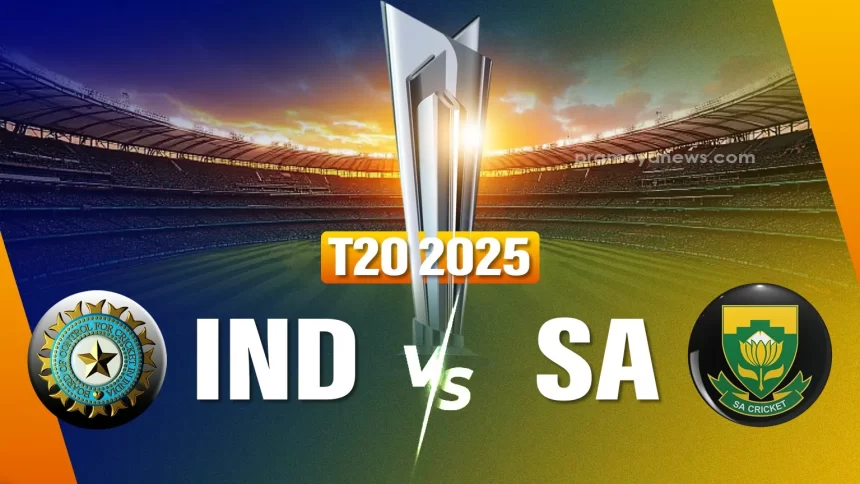
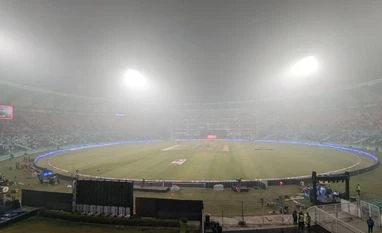
The fourth Twenty20 International between India and South Africa, scheduled on December 17, 2025, at the Ekana Stadium in Lucknow, was called off without a single ball bowled due to extremely poor visibility caused by dense fog and smog. Despite repeated inspections by umpires over several hours, conditions did not improve, and play was officially abandoned late in the evening.
Officials cited “excessive fog” as the reason for cancellation, making it unsafe for players and officials to proceed. The match was part of a five-match T20I series, which India leads 2–1, and the teams will now look ahead to the final game in Ahmedabad.
Environmental and Political Reaction
- Air Quality Concerns: The Air Quality Index (AQI) in Lucknow was reported as severe during the evening, with some independent trackers showing values above 400 — far above healthy levels and contributing to the low visibility that prevented the match from starting.
- Public and Political Response: Several politicians and commentators suggested that the problem was smog rather than natural fog, pointing to deteriorating air quality in North Indian cities. Congress MP Shashi Tharoor highlighted these concerns on social media, contrasting conditions in northern cities with better AQI in places like Kerala at the same time.
- Criticism of Scheduling: The abandonment reignited debate over the Board of Control for Cricket in India’s (BCCI) decision to schedule winter matches in northern regions prone to fog and air pollution. BCCI Vice-President Rajeev Shukla acknowledged the issue and hinted that scheduling strategies may need revision to avoid similar disruptions in future seasons.
Ticketing and Organizers’ Clarification
The BCCI confirmed that it will not be responsible for direct ticket refunds for spectators after the match was called off; that responsibility lies with the Uttar Pradesh Cricket Association (UPCA) as the local host.
The Lucknow T20I was abandoned due to dense winter fog/smog with very poor visibility, leading to safety concerns for players and officials. The incident has sparked broader discussions about air pollution’s impact on outdoor events and whether northern winter scheduling is appropriate for international cricket in India.