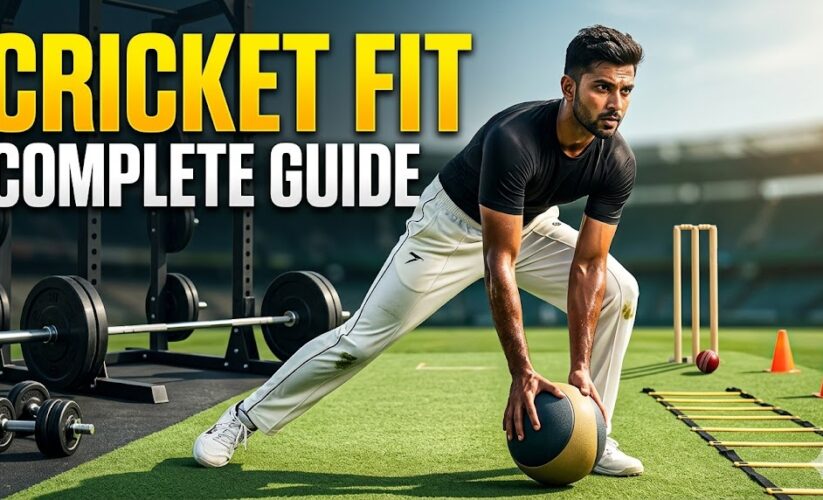
Cricket Exercises and Workouts: The Complete Guide

Gone are the days when cricket was considered a gentle, leisurely sport. Modern cricket—whether it is a grueling five-day Test match or a high-octane T20 fixture demands elite athleticism. Today’s cricketers must possess the endurance of a marathon runner, the explosive power of a sprinter, and the agility of a gymnast.
Whether you are a weekend warrior playing club cricket or an aspiring professional, upgrading your physical fitness is the fastest way to improve your on-field performance. This comprehensive guide breaks down the essential exercises and workouts you need to build a match-winning physique.
The 4 Core Pillars of Cricket Fitness
To perform at your peak, your training regimen must be balanced across four primary areas: endurance, strength, agility, and mobility.
1. Cardiovascular Endurance
Cricket involves short bursts of maximum effort (sprinting between wickets, chasing a ball) followed by periods of low-intensity recovery.
- The Yo-Yo Test: The international standard for cricket fitness. It measures your ability to repeatedly perform high-intensity aerobic work.
- Interval Shuttle Runs: Set up cones 20 meters apart (the length of a cricket pitch). Sprint back and forth, touching the line each time. Do this for 1 minute, rest for 30 seconds, and repeat for 10 sets.
- Long-Distance Running: A weekly 5km or 10km run helps build the base stamina required for long days in the field.
2. Strength and Power
Power translates directly into hitting the ball further, bowling faster, and throwing harder from the deep boundary.
- Lower Body: Squats and Deadlifts are non-negotiable. They build the glute and hamstring power necessary for explosive movements.
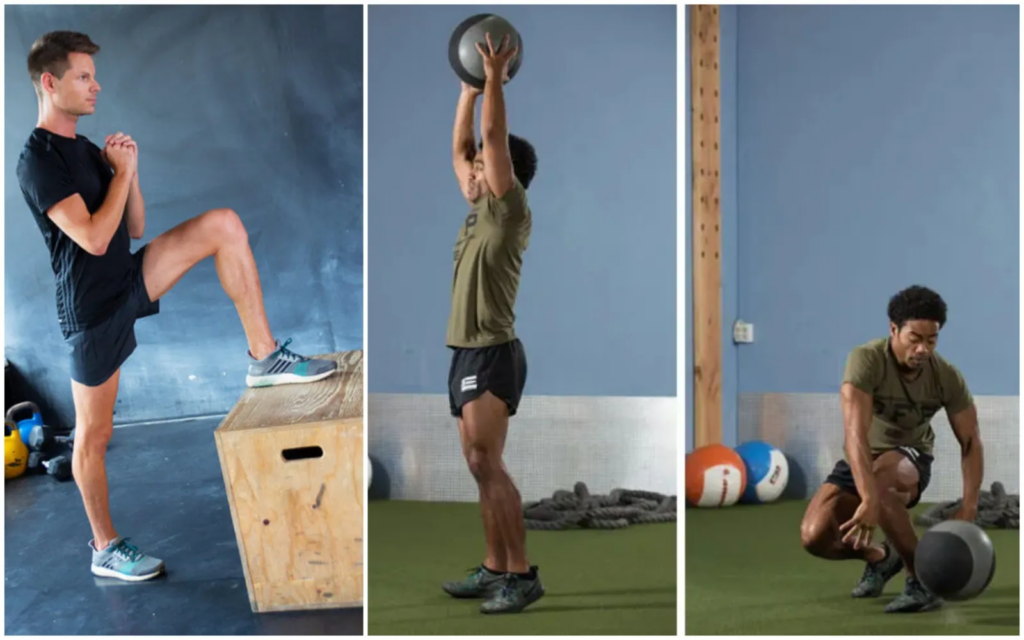
- Core Stability: Cricket involves massive rotational forces. Focus on medicine ball rotational throws, Russian twists, and heavy planks to protect your lower back and generate torque.
- Upper Body: Push-ups, pull-ups, and overhead presses build the shoulder stability needed for fast bowling and powerful batting strokes.
3. Agility and Speed
Fielding in the inner ring or running quick singles requires rapid changes of direction.
- Agility Ladder Drills: Improves foot speed and coordination.
- T-Drill: Set up cones in a ‘T’ shape. Sprint forward, shuffle left, shuffle right, and backpedal to the start. This mimics the chaotic movements of fielding.
- Reaction Sprints: Have a partner drop a tennis ball; your goal is to sprint and catch it before it bounces twice.
4. Mobility and Injury Prevention
Cricket places immense stress on the shoulders, lower back, and hamstrings. Mobility work ensures longevity.
- Dynamic Warm-ups: Leg swings, arm circles, and walking lunges before stepping onto the pitch.
- Yoga for Cricketers: Focus on poses that open the hips and stretch the hamstrings, like the Downward Dog and Pigeon Pose.
Position-Specific Training Matrix

While overall fitness is crucial, different roles on the cricket field require specialized physical attributes. Here is how you should skew your training based on your discipline:
| Player Role | Primary Fitness Focus | Key Exercises |
| Fast Bowlers | Explosive leg power, core stability, shoulder mobility | Heavy deadlifts, medicine ball slams, jump squats |
| Spin Bowlers | Finger/wrist strength, core rotation, stamina | Grip crushers, rotational cable chops, long-distance running |
| Batsmen | Hand-eye coordination, short-burst sprint speed | 20m shuttle sprints, forearm curls, reaction drills |
| Wicketkeepers | Extreme lower-body endurance, lateral agility, flexibility | Deep squat holds, lateral lunges, ladder drills |
The Importance of Recovery
You don’t get fitter during the workout; you get fitter during the recovery. Ensure you are getting 7-9 hours of sleep, staying hydrated (especially in hot subcontinental conditions), and consuming adequate protein to repair muscle tissue. Utilizing foam rollers and incorporating ice baths after a long match can significantly reduce delayed onset muscle soreness (DOMS).
For more official training protocols and standards, you can review the fitness guidelines provided by global organizations like the International Cricket Council (ICC) or follow the conditioning updates from the BCCI’s National Cricket Academy (NCA).